

A Beginner’s Guide to Fabric Care: What Those Symbols on Your Clothes Really Mean
Discover the importance of cloth labels in garments. Learn how fabric tags enhance branding, provide care instructions, ensure compliance, and build customer trust.
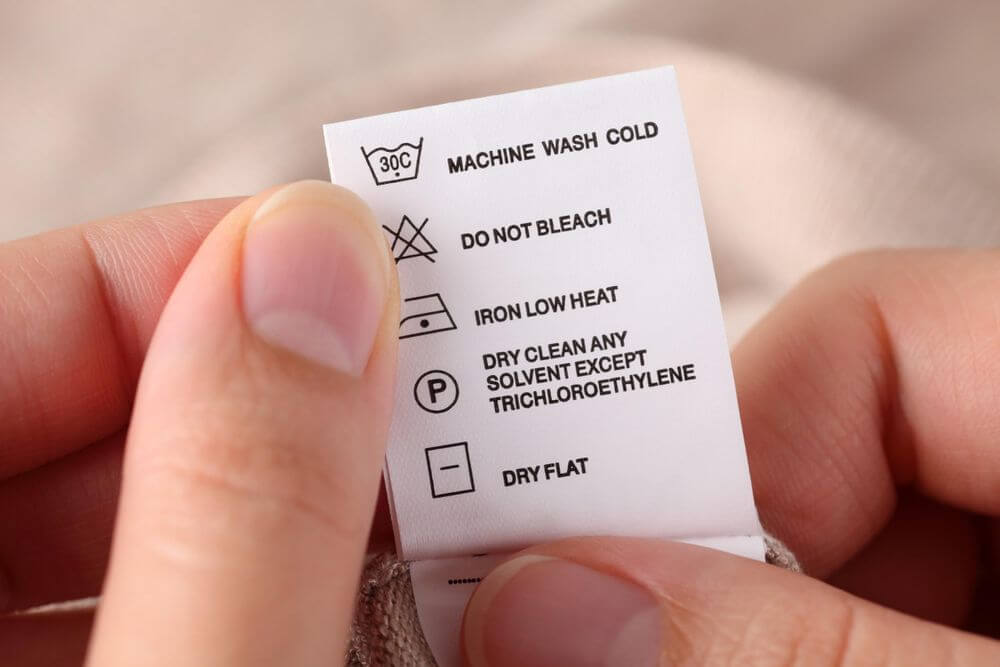
When buying new clothes, most of us pay attention to the fabric, color, and design. But have you ever noticed the small label stitched inside the garment? That little piece of fabric the cloth label plays a bigger role than you may think. From giving essential care instructions to creating a lasting brand impression, cloth labels are a silent yet powerful part of the apparel industry.
In this blog, let’s explore the uses and importance of cloth labels, and why they matter for both manufacturers and consumers.
What Are Cloth Labels?
Cloth labels, also known as garment labels or fabric tags, are small pieces of material attached to clothes. They typically contain:
Brand name or logo
Size information
Fabric composition
Washing and care instructions
Country of origin
Special certifications (organic, sustainable, etc.)
These labels can be woven, printed, or heat-transferred, depending on the brand’s requirement.

Uses of Cloth Labels
1. Brand Identity
Cloth labels act as a permanent reminder of the brand. Even after years, a customer can identify where the garment came from, strengthening brand recall and loyalty.
2. Size Indication
Labels make it easy for customers to pick the right size (S, M, L, XL, etc.) without trying on every piece. This is crucial in both retail stores and online shopping.
3. Fabric Composition Information
Many customers today are conscious about fabric types (cotton, polyester, silk, etc.). Cloth labels help buyers know exactly what material they are purchasing.


4. Washing and Care Instructions
Labels guide customers on how to wash, dry, or iron the garment to maintain its quality and durability. For example, “Dry Clean Only” or “Hand Wash Cold.”
5. Legal Compliance
In most countries, textile laws require garments to carry labels that specify material content and country of origin. Cloth labels ensure brands remain compliant.
6. Sustainability & Certifications
Brands focused on eco-friendly clothing often highlight certifications like Organic Cotton or Fair Trade on their labels, which builds trust with consumers.
Importance of Cloth Labels
1. Building Customer Trust
Transparent information on labels helps customers make informed buying decisions. This trust often leads to repeat purchases.
2. Enhancing Brand Image
A well designed woven label adds a touch of professionalism and luxury to clothing, elevating the overall brand image.
3. Longevity of Brand Presence
Unlike tags or packaging, labels stay with the garment throughout its life. This gives brands a long term marketing advantage.
4. Reducing Customer Complaints
When proper care instructions are provided, customers are less likely to damage clothes unknowingly reducing returns or negative feedback.
5. Global Recognition
For international brands, labels often include multilingual instructions, making the garment market ready across different regions.
Conclusion
Cloth labels may seem like a small detail, but their use and importance in the fashion and textile industry is massive. They provide essential information, ensure compliance, and act as a long lasting brand ambassador stitched into every garment.
For clothing businesses, investing in quality, well designed cloth labels is just as important as focusing on fabric and design. After all, it’s not just clothes that speak it’s the label that carries your brand forward.