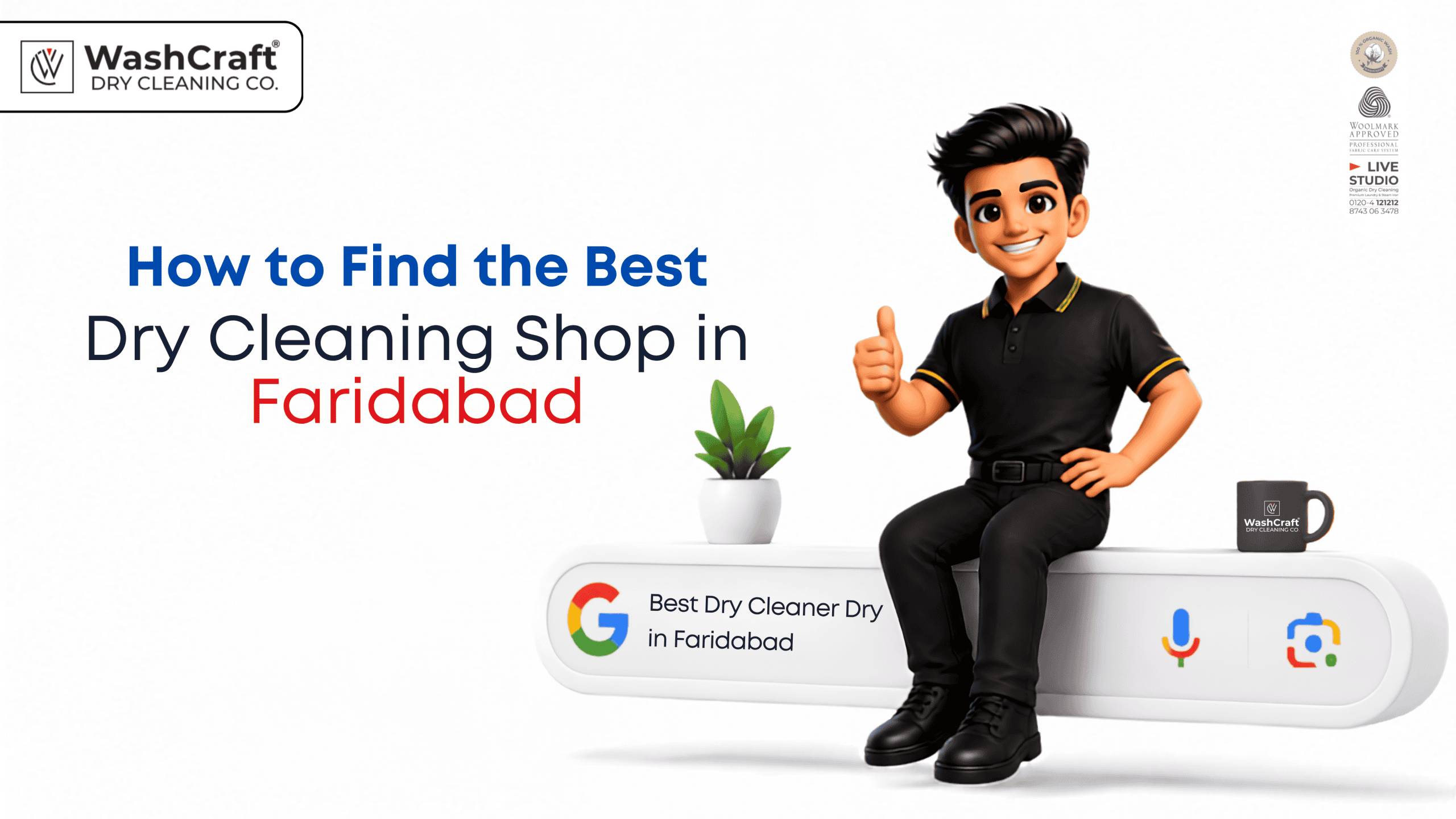
How to Find the Best Dry Cleaning Shop in Faridabad
That is never a good sign (Best Dry Cleaning Shop In Faridabad) to see grease or coffee stains, especially when they appear on pieces of delicate or expensive clothing. Regardless of where you are in Faridabad, near luxury high-end shopping in Sector 14, the more suburban tree-lined Sector 15, or going to work in Sector 12, it is vital in this day and age to have a clean professional wardrobe.
Whether it’s your top-of-the-line materials, your expensive bridal clothing, your shoes, or your household linens, a lot of your material possessions probably cost you a lot of money. If you take them to a sub-par, local vendor who is probably going to be a risk to your materials because of the harsh chemicals or inferior machinery that they may be using, you run the risk of their clothing coming out looking worse or having damage when it SHOULD be looking better.
A good dry cleaning shop in Faridabad does not mean that you should choose the closest one. If you want to keep or maintain the value of you possessions, you must choose a fabric care partner who will ensure that your investment is safe because choosing the closest location is usually the cheapest option.
1. Look for Professionals Who Master Advanced Fabric Care
Not all garment cleans are equal. Laundry shops use aggressive machines and subpar detergents that dull natural fabers. A good dry cleaner in Faridabad actually treats each item as a restoration project. When looking at service providers, ensure they utilize gentle approaches.
Cleaning Techniques:
Eco-Friendly & Hydrocarbon Solvents: The top cleaners use either Eco-friendly or organic hydrocarbons to clean, instead of harsh chemicals like Perchloroethylene (PERC). These solutions dissolve oils and remove stains without harming the fabric or leaving that chemical cleaning smell behind.
Customized Fabric Treatment:
Precise control of solvent temperature and adequate moisture are crucial for fine fabrics such as cashmere or silks. see if they condition the solvent specifically for different textiles.
Advanced Stain Removal:
A good cleaner treats stains with science instead of scraping a brush or pad on the stain. They identify the type of stain (protein, oil or tannin) and use a mild neutralizer.
A good test would be to take in a cheap suit to see how well they treat the structure anduther pads.
2. Evaluate the Range of Specialized Services
Residents in Faridabad should have one stop for their dry cleaning and home and wardrobe care. With the time crunch of today’s world, you can’t afford to be shopping around for different vendors for your shoes, upholstery, or your everyday apparel.
You need a service provider that offers specialized care.
| FULL-SERVICE CARE | ||
|---|---|---|
Luxury Wardrobe
|
Specialty Items
|
Home Essentials
|
Shoe Cleaning and Restoration: Sneakers, oxfords, and heels benefit from the advanced methods of deep cleaning, re-shaping, and color-protecting.
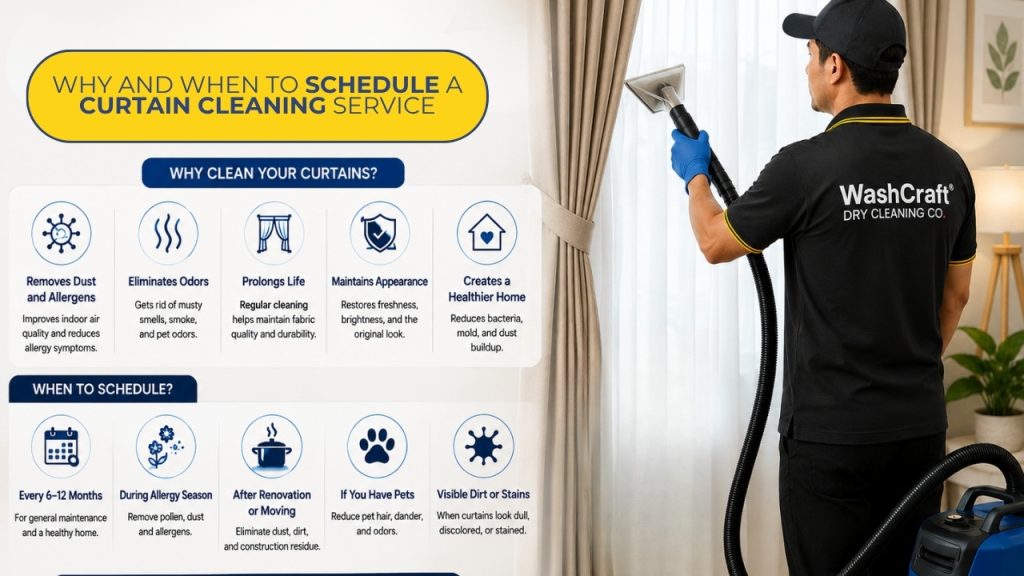
Curtain Cleaning and Home Textile: Heavy drapes filter dust and allergens but can be a pollutant as good as they are at filtering. The leading services offer advanced protection for your drapes and curtain fabrics, maintaining the length and vibrancy with no fabric shrinkage.
Couture and Festive Wear: Be sure to protect these delicate fabrics from snagging, and tarnishing by employing advanced methods of cleaning and protective wrapping.
3. Insist on Transparency in Pricing and Processes
The best services can be identified by communication transparency. Pomp and circumstance are not required when describing the price and the methods of the trade.
Premium dry cleaners give descriptions of each service by providing:
Rate Cards: The price for washing and folding, dry cleaning, stain removal, and specialty cleaning of curtains and shoes is described.
Process: Best-in-class places will explain their laundry process. They will evaluate your garments for any issues (if present) such as damaged fabric or missing buttons.
No Surprises: First-class services provide an estimated price for services that may be more difficult to clean, such as veiling or lined curtains, wedding gowns, etc.
4. Prioritize Accountability and Customer Service
As you entrust your precious clothing items or family heirlooms, having peace of mind is vital. The definition of exceptional customer services involves responsibility and attention to details.
Some aspects that reflect exceptional customer services include the following
- Garment Tagging and Tracking: Contemporary companies tag each garment with barcodes or QR codes to avoid any confusion during processing.
- Pre-Cleaning Inspection: Workers need to perform pocket inspection and button testing, noting all existing damages on-site or through online receipt.
- Guarantees of Satisfaction: It is important to mention that the responsible company is proud of its product. In case of stains or needed re-pressing, they will deal with the problem right away without any hesitation or additional cost.
5. Experience Unmatched Convenience: Pickup and Delivery
Dotting from one chore to the next becomes even harder when you have to travel on Mathura Road to battle traffic and find parking in the central business district.
The best laundry services pick-up and deliver your clothes for convenience
Flexibility: You don’t have to disrupt your day to day activities with a laundry pick-up. Just schedule the convenience around your needs.
Safe and Sound: Your clothes will return safely and neatly ironed and packed, ready to hang in dust covers.
Updates: You get regular status updates on your laundry via text message and WhatsApp.
Your Wardrobe Needs the Best
The best dry cleaners in Faridabad are distinguished by three factors: a deep knowledge of textiles, a transparent process, and convenience. Whether you want to have your luxury shoes cleaned, your suit jackets cleaned, or your curtains serviced, the best cleaners will handle all your valuable items like they are their own. Don’t let your busy work life ruin your favorite clothes. Get your laundry serviced right at your home.
About Company
At WashCraft® Dry Cleaning Co., we’re more than a brand, we’re a husband-wife duo on a mission to change how India thinks about hygiene, fabric care, and everyday convenience.
Most Recent Posts
- All Posts
- Dry Cleaning & Laundry
- Dry Cleaning Franchise
- Shoe Cleaning